In today’s digital world, there’s a heated debate surrounding AI-generated porn, especially when it involves famous individuals. Take, for instance, Meta Platforms’ Oversight Board, which is currently investigating explicit AI images circulating on Facebook and Instagram. This situation sparks essential discussions about the ethical implications of technology, celebrities, and sexual content.
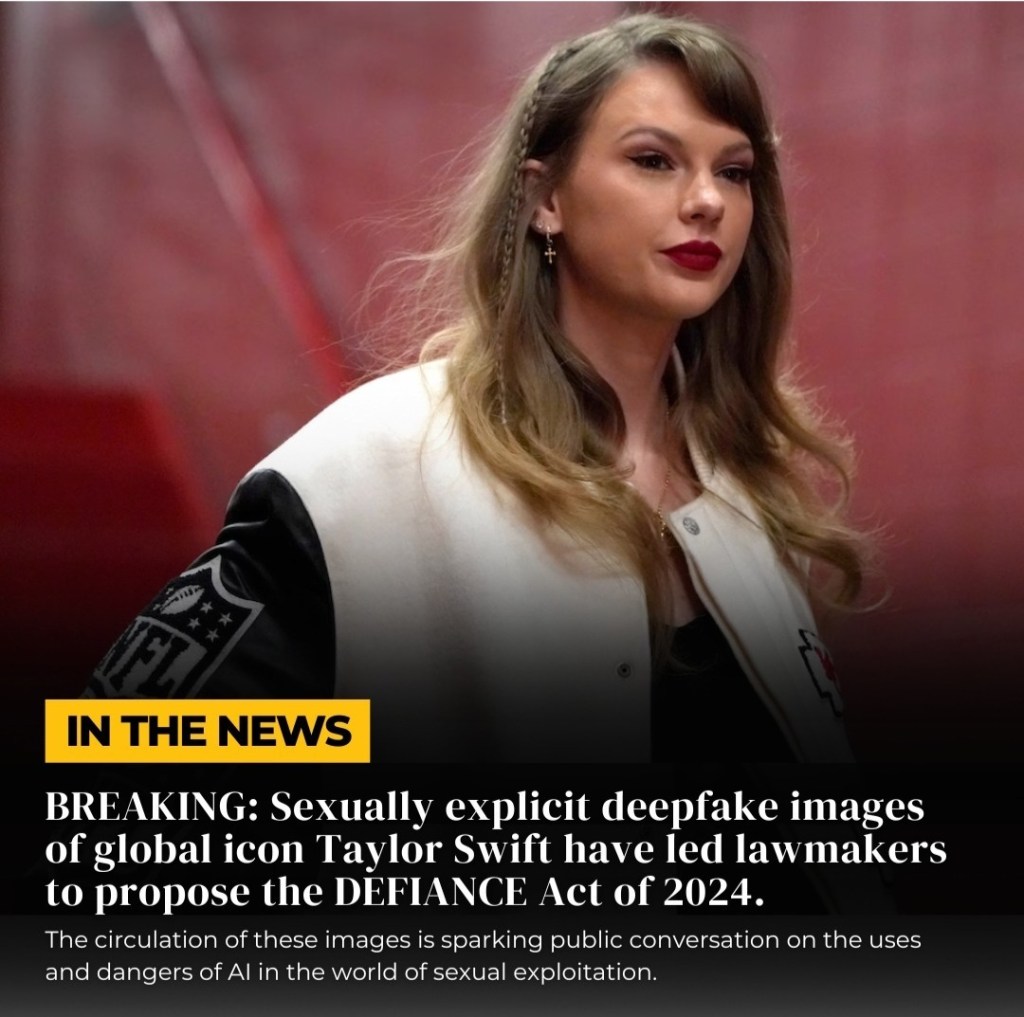
Photo Credit: Instagram/ourrescue
Rep. Alexandria Ocasio-Cortez (D-N.Y.) leads the DEFIANCE Act of 2024, aiming to protect individuals from non-consensual, sexually explicit, AI-generated imagery. The bipartisan bill amends the Violence Against Women Act to allow victims to sue those who produce, distribute, or receive deepfake pornography without consent. With endorsements from over 25 organizations, including the National Women’s Law Center and the National Domestic Violence Hotline, the bill seeks to provide civil recourse for victims of deepfakes, addressing the rise of technology-facilitated gender-based violence.
One major issue at the heart of this debate is misinformation. AI-generated porn often falsely attributes involvement to celebrities, blurring the lines between truth and fiction. The hyper-realism of AI porn can easily trick viewers into believing it’s genuine, perpetuating falsehoods. Moreover, the anonymity surrounding the creators of this content adds to the confusion, making it difficult to discern fact from fiction.
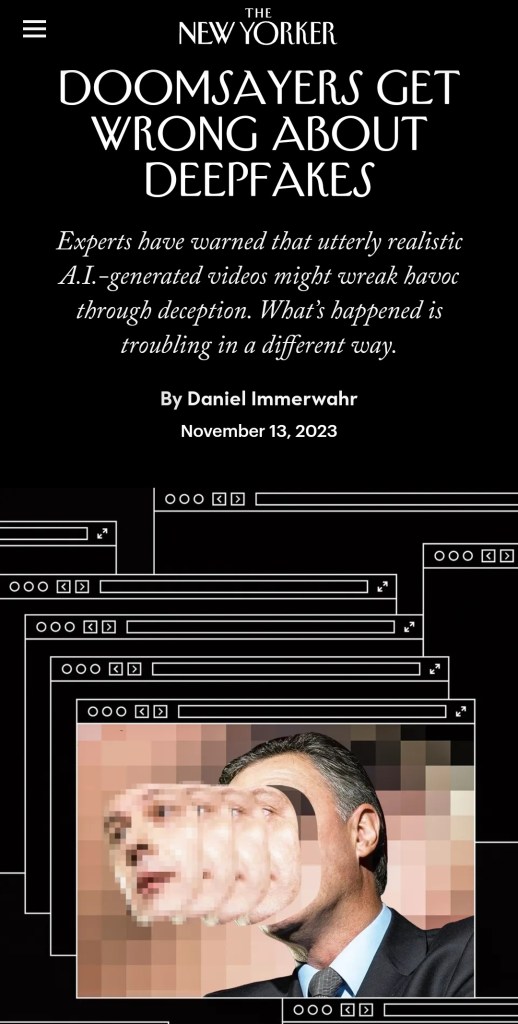
Photo Credit: Joan Wong/Getty
With just a sentence, a programmer claimed to have inserted Gal Gadot’s face into a pornographic video, sparking fears of a ‘coming infocalypse’ and a collapse of reality. As manipulated videos proliferate, the implications are horrifying, extending beyond mere disinformation to tainting all audiovisual evidence. We find ourselves in a landscape where even the most authentic recordings can be dismissed as rigged, paving the way for a dangerous erosion of trust in media and public discourse.
This problem arises from something known as “deepfakes” – a technology that creates lifelike videos or images that seem authentic, even though they’re not. With deepfakes, it’s disturbingly simple to insert famous faces into pornographic content without their consent. Deepfake technology employs sophisticated algorithms to manipulate visuals, seamlessly swapping faces or tweaking features to create realistic simulations. By training machine learning models on vast datasets, including images and videos of the targeted individual, these systems produce convincing deepfake content, leading viewers to believe that the person is engaging in explicit acts, even though they never consented to or participated in such content creation. Ultimately, this technology undermines our ability to trust online content and can inflict significant harm on those involved.
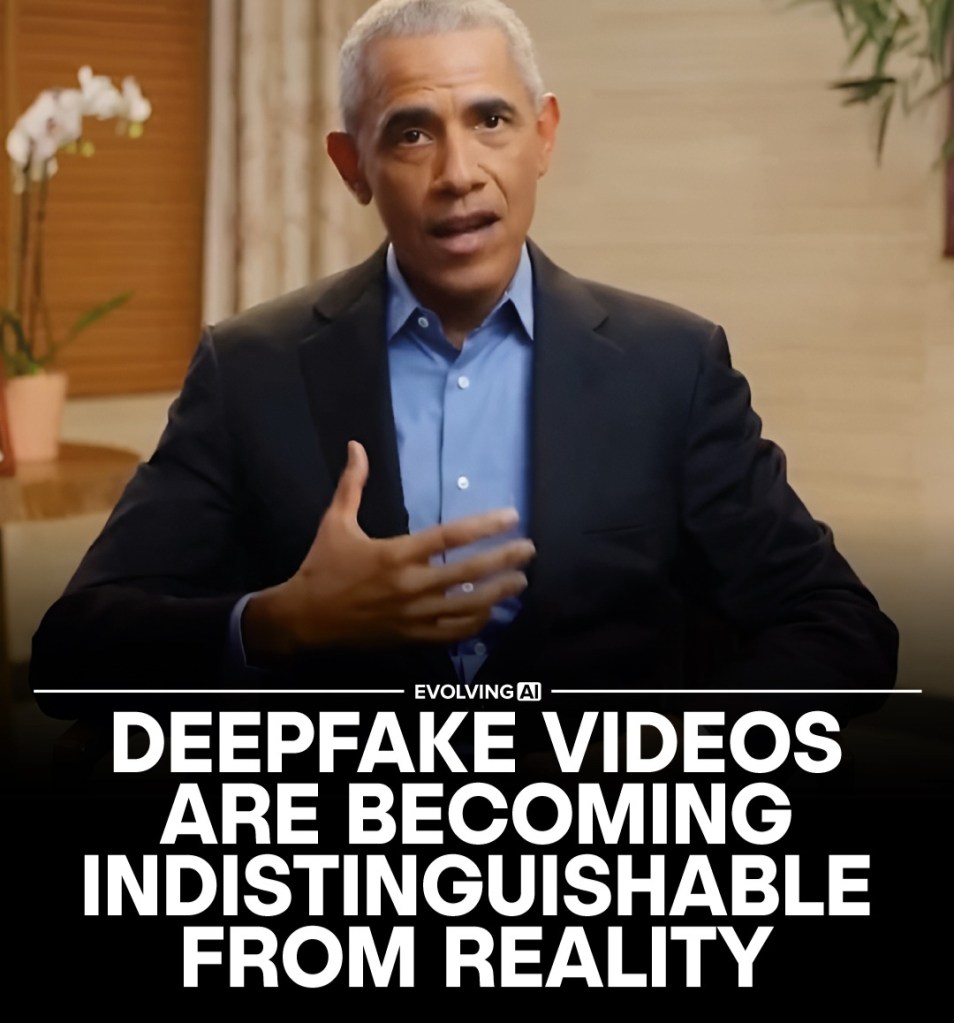
Photo Credit: Instagram/evolvingai
Deepfakes are reaching unprecedented levels of realism! Examples using Argil AI model and HeyGen show how deceptive these videos can be. With deepfake scams on the rise, especially involving celebrities, it’s crucial to educate ourselves and our loved ones about the potential unreliability of online videos. Trust cautiously in the digital age of 2024 and beyond.
Addressing this misinformation is crucial to understanding the ethical issues surrounding AI porn involving celebrities. By shedding light on these issues, we can highlight the importance of respecting individuals’ rights and push for greater transparency and integrity online.
When it comes to addressing deepfakes associated with AI-generated pornographic content involving celebrities, we’ve got several techniques at our disposal. Technology has made it easier to create convincing deepfakes by seamlessly swapping faces or altering features in videos or images. This can deceive viewers into believing that the manipulated content is authentic, perpetuating false narratives and damaging reputations. However, technology also offers potential solutions to mitigate the harmful effects of deepfakes. For instance, we’ve developed algorithms and tools specifically designed to detect and identify deepfake content. By analyzing subtle inconsistencies in facial expressions, lighting, and audio, these systems can flag potentially manipulated media for further scrutiny. Additionally, advancements in blockchain technology hold promise for creating tamper-proof digital signatures that can verify the authenticity of media files. We can securely timestamp and record the creation and modification of content, providing a transparent and immutable record of its provenance. Digital watermarking techniques allow content creators to embed hidden markers or signatures within their media files, serving as a form of digital authentication. These techniques enable viewers to verify the authenticity of the content and trace its origin back to the original creator. Furthermore, collaborations between technology companies, researchers, policymakers, and civil society organizations are essential to develop comprehensive strategies for addressing the challenges posed by deepfakes. By leveraging the power of technology responsibly and collaboratively, we can mitigate the risks posed by deepfakes and uphold the integrity of our digital media landscape.
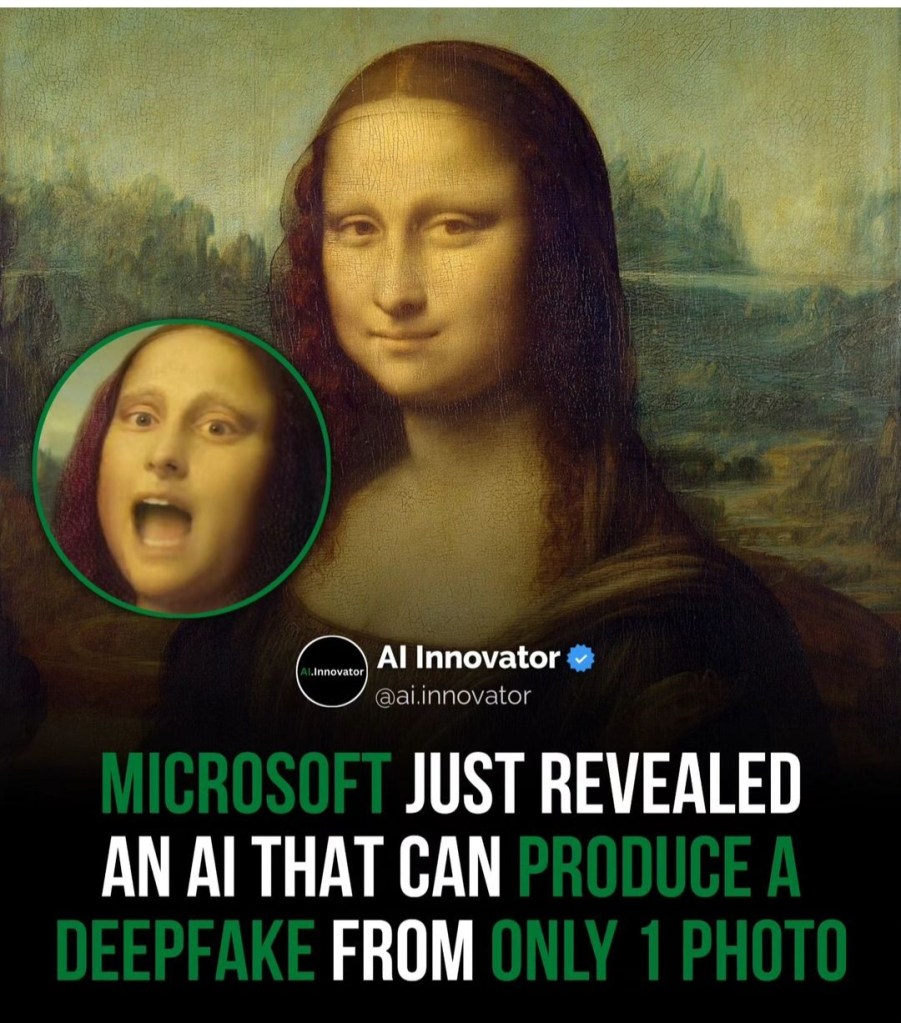
Photo Credit: AI Innovator/Instagram
Microsoft has revealed a groundbreaking capability: the ability to create a deepfake using just a single photo.
The unauthorized use of celebrities’ likenesses in AI-generated porn can be exploited to boost porn sales. This unethical tactic capitalizes on public interest in celebrities, attracting viewers under false pretenses. It commodifies celebrities’ identities for profit, damaging their reputation and perpetuating objectification. This underscores the need for ethical considerations and regulations to protect celebrities’ rights in the digital realm.
This content not only violates their privacy but also perpetuates false narratives about their personal lives. The spread of this content can damage their public image, leading to negative perceptions among fans, colleagues, and potential employers. Moreover, the psychological toll of being objectified and misrepresented can be immense for celebrities, affecting their mental well-being and overall performance in their professional endeavors. Consequently, the fallout from such incidents may include loss of endorsement deals, damage to future career opportunities, and a decline in public trust and respect. Ultimately, the impact extends beyond mere reputation damage, potentially derailing the trajectory of their careers and personal lives.
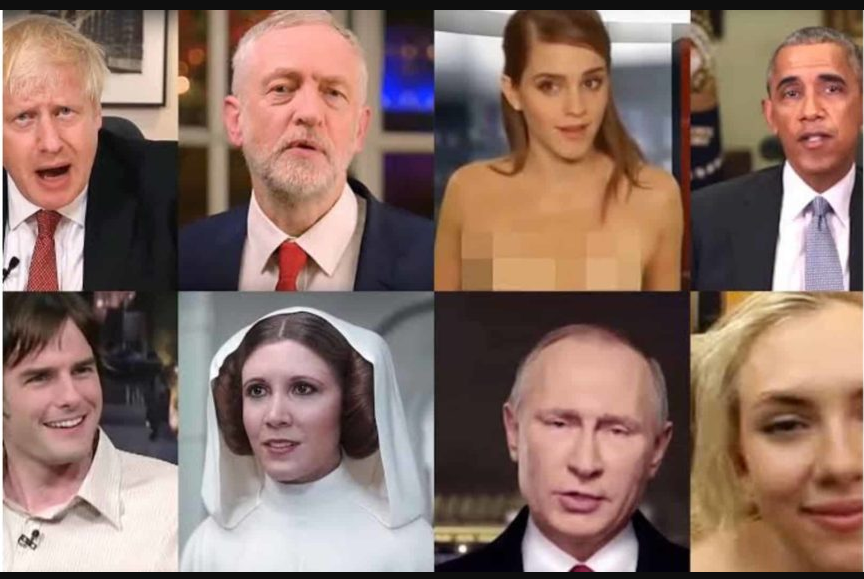
Photo Credit: TheTimes.Co.Uk
The widespread accessibility of communication technology has fueled an increase in internet usage and content creation, including the rise of memes like Deepfakes. These involve replacing a person’s appearance in an image or video with someone else’s, often a celebrity, using freely available AI tools online. While Deepfakes can be entertaining, concerns arise over potential misuse, such as harassment. Open-source Deepfake algorithms have further popularized their creation, resulting in viral memes across platforms like TikTok.
For individuals concerned about the ethics of technology and online privacy, it’s crucial to understand the concept of “deep fakes” and how they contribute to misinformation, particularly in AI-generated porn involving celebrities. Deepfake technology employs sophisticated algorithms to manipulate videos or images, seamlessly inserting famous faces into explicit content without consent. This blurs the lines between reality and fiction, leading to the spread of false narratives and damaging reputations. By shedding light on the mechanics of deepfake technology and its implications, we can foster discussions on consent, privacy rights, and the need for ethical considerations in the digital age. Through a mix of articles, interviews, and interactive content published on platforms like PM Says, along with social media outreach, we aim to educate and engage a diverse audience on these critical issues, sparking ongoing dialogue and advocacy efforts.
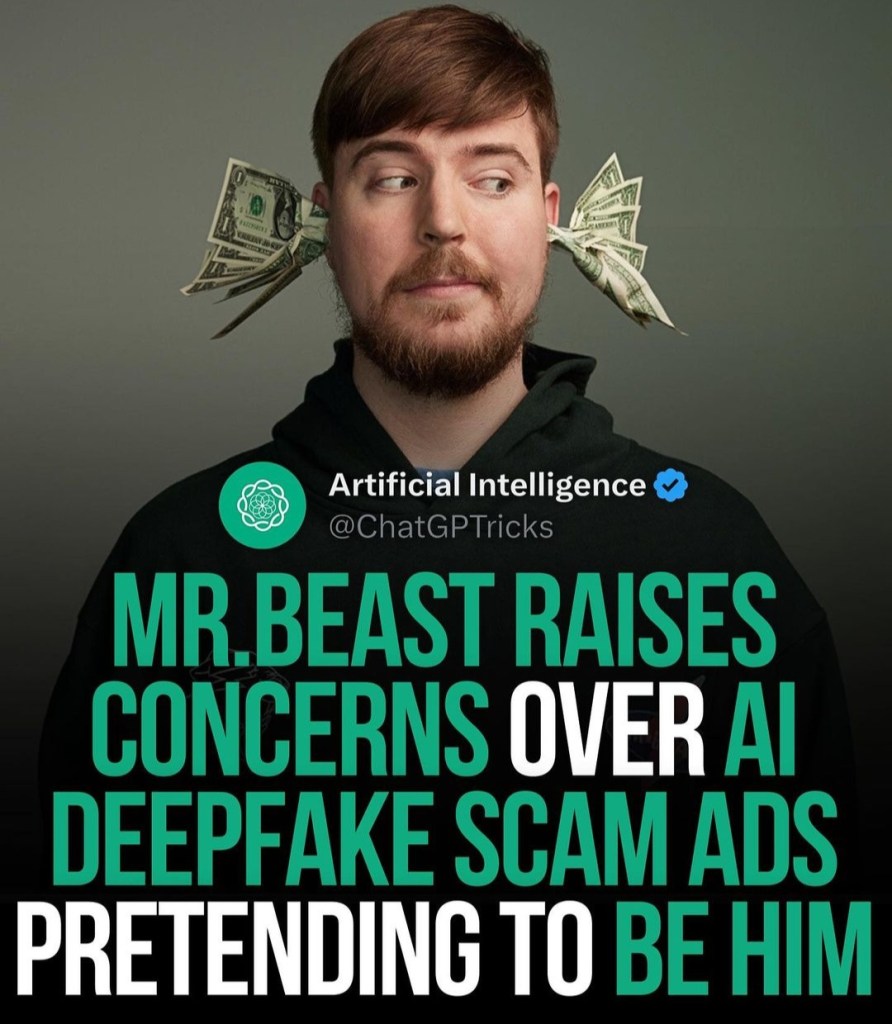
Photo Credit: Instagram/chatgptricks
Mr.Beast has encountered a concerning trend of deepfake scam ads using AI to mimic his appearance and voice, prompting him to call for action from social media platforms. These scams typically involve victims clicking on links and providing bank details, leading to potential fraud. Creators have expressed alarm at the realism of these scams, with one stating they received such an ad recently. YouTuber Kwebbelkop highlighted the seriousness of the issue, emphasizing its significance.
In today’s rapidly evolving digital landscape, university students pursuing degrees in technology, media studies, ethics, or law are the targeted audience who stand at the forefront of addressing the ethical challenges posed by deepfakes. These students, driven by a thirst for knowledge and a passion for justice, possess the potential to enact meaningful change in combatting issues such as deepfakes and the unauthorized use of personal images in AI-generated pornographic content.
Recognizing the important role of these students, the call to action is to empower them to take the lead in tackling these pressing issues. By actively engaging with the complexities of deepfakes, students can leverage their platforms and networks to raise awareness about the ethical concerns surrounding this technology. Through social media campaigns, campus discussions, and educational events, they can educate their peers and communities about the importance of consent, privacy rights, and responsible technology use.
Additionally, students can advocate for policy changes at various levels to regulate the creation and dissemination of deepfake content. Collaborating with policymakers, advocacy groups, and industry stakeholders, they can advocate for legislation that protects individuals’ rights and promotes transparency and accountability in the digital sphere.
In addition to advocacy efforts, students can promote ethical practices in technology development and usage. By advocating for the integration of ethics education into STEM curricula and fostering interdisciplinary collaboration, they can help shape a future workforce that prioritizes ethical considerations in technological innovation and implementation. Students can also extend their support to victims of deepfake-related incidents by providing resources, advocacy, and emotional support. Amplifying victims’ voices, challenging harmful narratives, and fostering a culture of empathy and solidarity are crucial steps in creating a more supportive and inclusive environment for those affected by deepfake exploitation.
In conclusion, college students in technology, media studies, ethics, or law are uniquely positioned to drive positive change and shape the ethical landscape of the digital age. By harnessing their passion, creativity, and commitment to justice, they can lead the fight against deepfakes and pave the way for a safer and more ethical digital world. Join us as we empower students to make a difference and create a brighter future for all. When it comes to dealing with deepfakes linked to AI-generated porn involving celebrities, we’ve got a few ways to handle them.
Technology has made it easy to create convincing deepfakes that swap faces or alter features, fooling viewers into thinking the content is real. But we’ve also developed tools to spot these fake videos. By looking for small differences in facial expressions, lighting, and sound, we can flag suspicious media. Blockchain tech can help too, by creating digital signatures that prove if content has been tampered with. We can also add hidden markers to media files to verify their authenticity. Collaboration between tech companies, researchers, and policymakers is key to tackling this problem together. By using technology smartly and working together, we can reduce the risks of deepfakes and keep our digital world honest.

 PM Says