As someone deeply concerned about misinformation in today’s digital landscape, I recently explored the Bad News Game, an educational tool shedding light on online manipulation tactics. To play The Bad News Game, participants engage with the platform by making choices that simulate the creation and dissemination of fake news. They may choose sensational headlines, manipulate images, or exploit biases to attract attention and increase their online influence.
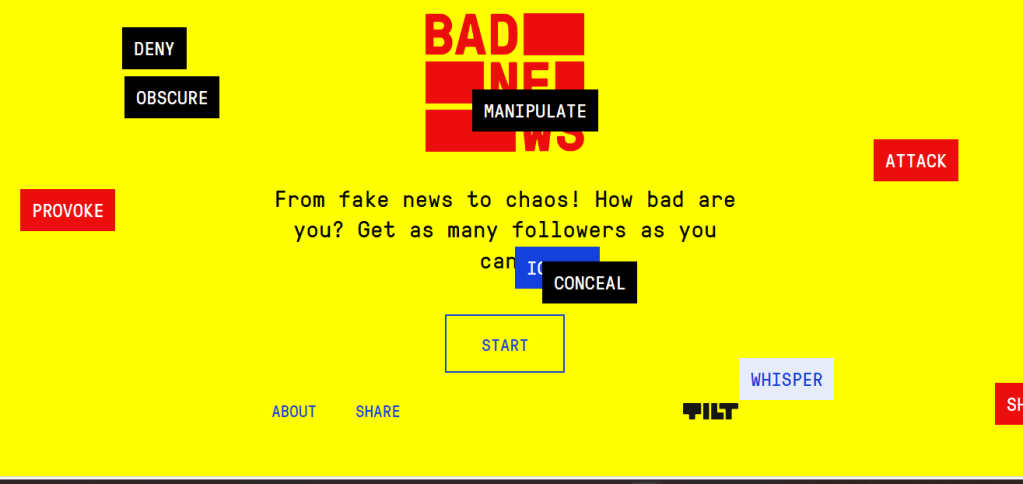
Credit: Screen capture of The Bad News Game obtained from Bad News website.
Studies have found that games and interactive tools can improve participants’ understanding of complex topics and promote long-term retention of information while being highly effective in teaching about misinformation. This Bad News Game offers an immersive experience, allowing players to navigate scenarios where they spread misinformation. The game effectively demonstrates the challenges of discerning truth online and teaches skepticism and fact-checking. While not a cure-all, such games play a valuable role in promoting media literacy and critical thinking. The Bad News Game teaches participants about the challenges of discerning truth from falsehood in the digital age. It also emphasizes the importance of skepticism, fact-checking, and responsible information sharing in combating the spread of false information online.
Similarly, I engaged with Rumor Guard, an interactive tool highlighting the dangers of spreading false information. It places participants in scenarios of rumor propagation, emphasizing skepticism and fact-checking. While not a solution, tools like Rumor Guard also promote media literacy and critical thinking in combating misinformation. By emphasizing the importance of skepticism and fact-checking, Rumor Guard equips participants with media literacy skills to combat misinformation in their daily lives.
While educational tools like Rumor Guard are not the ideal solution to the problem of misinformation, they serve as powerful catalysts for promoting media literacy and fostering a better-informed online community. I believe that interactive platforms such as Rumor Guard have great potential to play a pivotal role in our long-term efforts to combat misinformation especially if integrated with broader educational initiatives and resources.

Photo Credit: by jimjarmo
Poynter published an article that introduces seven games for media literacy, including “Bad News,” “BBC iReporter,” “Fakey,” “NewsFeed Defenders,” “Interland: Reality River,” “Factitious,” and “Fact-Check It!” Each game has its unique approach, from simulating fake news creation to teaching users how to evaluate sources online. and discusses challenges in combating misinformation. Additionally, it mentions a study on climate change amplified by conservative outlets but later debunked by Climate Feedback. Overall, it emphasizes the importance of media literacy and initiatives like fact-checking platforms. These games help combat misinformation by engaging users in interactive experiences that teach critical thinking skills. Through engagement and practice, players develop a deeper understanding of media literacy, enabling them to navigate the online information landscape more effectively and resist misinformation.
Many books and research papers talk about how games can help people learn about communication, misinformation, and critical thinking. For example, “The Persuasive Power of Play” explores using games to teach communication, including how to spot fake news. “Playing with the Truth” discusses how games can show how deceptive communication works online. “Digital Games and Learning” looks at how games can teach different subjects effectively.
“The Misinformation Age” explores the social dynamics behind the spread of false beliefs in today’s era of “fake news,” emphasizing the importance of understanding these dynamics to combat misinformation effectively. “Serious Games for Healthcare” talks about using games to teach about health, but also mentions how they can teach about misinformation. Finally, “Serious Games for Learning” reviews many studies to see how effective games are for learning, showing that they can be extremely useful.
While playing Bad News, I was led through a series of questions and prompts. Below is what transpired during my experience:
IMPERSONATION
Your opponents are completely lost. You’ve used a variety of disinformation techniques, and deliberately caused societal distrust and chaos.
Impersonating someone else and disguising yourself as a credible news source can be highly effective. Most people pay little attention to sources. As a purveyor of disinformation, you can use that to your advantage. A minute ago you were just an angry citizen, now you’re a big shot editor-in-chief running a real news site.
EMOTION
Playing into basic emotions such as fear, anger and empathy make people more susceptible to your message.
POLARIZATION

By finding existing grievances and blowing them up, you can drive people apart and make them think a story is much more important than it really is. Left and right are now much further apart than before. This can be easily exploited by content producers.
CONSPIRACY
Conspiracy theories are a big part of online news sites. They can be defined as the belief that unexplained events are orchestrated by a covert group or organization.
DISCREDIT
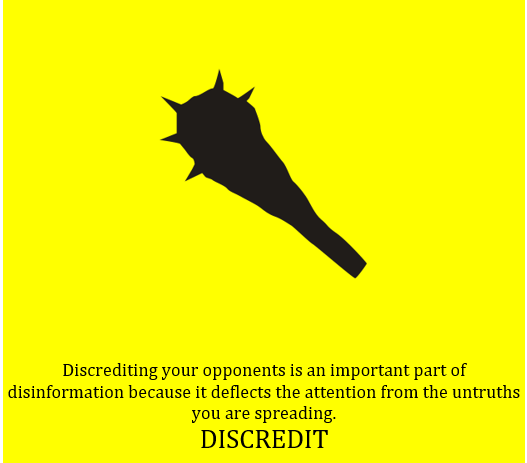
Discrediting your opponents is an important part of disinformation because it deflects the attention from the untruths you are spreading.
TROLLING
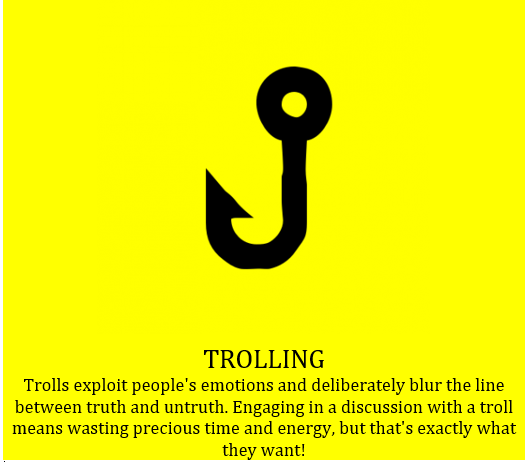
Trolls exploit people’s emotions and deliberately blur the line between truth and untruth. Engaging in a discussion with a troll means wasting precious time and energy, but that’s exactly what they want!
In conclusion, the Bad News Game is a powerful tool for combatting misinformation in our digital age. By providing an engaging and immersive learning experience, the game encourages critical thinking and promotes media literacy skills. When used in conjunction with other educational resources and initiatives, interactive tools like the Bad News Game have the potential to be powerful allies in the fight against misinformation. Through this game, I’ve come to understand that collective effort and influence is key to fostering a more informed society.

 PM Says