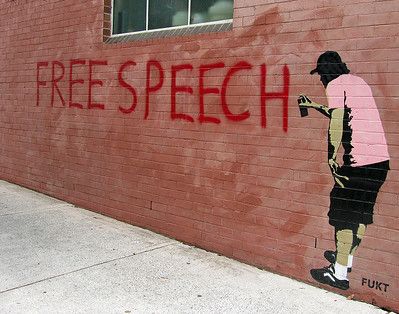
Photo Credit: Newtown grafitti
Fundamentally, expression is the heartbeat of thriving societies, allowing diverse ideas to flow freely. However, the world of free expression is not a free-for-all; it’s a delicate dance between unleashing thoughts and keeping them in check to avoid pitfalls of offensiveness and bias.
In the realm of free expression, it’s crucial to recognize the power our words hold. They can either build bridges or burn them. While the First Amendment grants us the right to speak our minds, it’s equally important to exercise that right responsibly. Real free expression should foster understanding, not fuel negativity or harm.
In the landscape of free speech, biases often lurk in the shadows, impacting victims and hindering their willingness to come forward. Overcoming these biases is essential for creating a space where diverse ideas flourish without harm or bias.
Examining state-level legislation, some lawmakers target protests, citing reasons like road obstruction. This trend raises concerns about political motivations coloring the interpretation of the First Amendment. PEN America’s findings underscore the impact of such legislation, imposing burdens on individuals navigating the delicate balance between free expression and potential reprisals.
In today’s scene, free expression should not be a green light for spewing hatred. Our words shouldn’t be grenades causing harm or spreading stereotypes. Real free expression is about building bridges, not burning them. Responsibility, empathy, and self-awareness are key players in creating a space where all kinds of ideas can thrive without causing harm or bias.
Victims face barriers such as fear, skepticism, societal expectations, and legal concerns when coming forward. These challenges contribute to a discouraging environment that inhibits victims from openly sharing their experiences.
Eliminating bias in free expression requires acknowledging and owning up to our biases. An insightful article from Journalists Resource sheds light on how biases like skepticism and societal expectations can impact victims, making them hesitant to come forward after a significant amount of time has passed. There comes a time when we must put on our rose-colored lenses to recognize and own up to our biases as part of creating a space where everyone’s ideas are taken into consideration and free from insult and injury.
Grasping and evolving beliefs in free expression means diving into critical thinking, staying open-minded, and being ready to tweak our perspectives with fresh information. In today’s scene of free expression, responsibility, empathy, and self-awareness are key players, creating a space where all kinds of ideas can thrive without causing harm or bias. Striking a balance between personal freedoms and keeping things harmonious is extremely important for society and beyond.
State-Level Legislation Impact
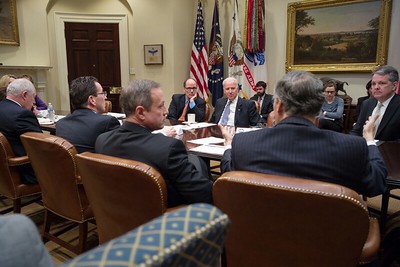
Photo Credit: Office of Governor Dan Malloy
In the context of rising state-level legislation, it’s evident that some lawmakers are directly targeting protests, often citing road obstruction as a catalyst for their proposals. As acknowledged by experts, legislators openly tie these bills to specific protests, revealing a troubling trend where political motivations color the interpretation of the First Amendment. The legislation’s impact is stark, compelling individuals in states where these bills have passed to weigh their civic interest in exercising First Amendment rights against the very real potential of being arrested or jailed. This unfortunate predicament stands as a betrayal of the fundamental principles enshrined in the First Amendment, undermining its effect for all citizens. This selective stance, influenced by political affiliations, not only raises concerns but also creates an environment to restricting protest rights.
Highlighting the gravity of this issue, PEN America’s findings underscore the substantial impact of such legislation. Out of 116 bills introduced since 2015, 23 have become law in 15 states, with minimal legal challenges. In the 2020 session, the prevalence of 16 similar bills across state capitals proved to be alarming. These new laws impose a significant burden on individuals, compelling them to navigate and exercise their First Amendment rights with the risk of facing potential arrests or reprisals in states where these bills have been enacted.
As we better navigate the complexities of free expression, it’s essential to build bridges, eliminate biases, and advocate for a society where protest rights are not selectively curtailed based on political affiliations. Striking a balance between personal freedoms and maintaining harmony is crucial for society’s well-being.
Constant vigilance is required to ensure that free expression remains a force for positive change. By staying attuned to the potential consequences of biased legislation and unchecked expression, we can safeguard the equilibrium between personal liberties and societal harmony.
Food for Thought: In our pursuit of free expression, a question to ask is whether our words contribute to understanding or perpetuate division. Building a society where everyone feels heard necessitates a commitment to responsible expression, empathy, and a shared responsibility for the well-being of society.

 PM Says
Leave a comment