
Photo Credit: by Vida Cars
Stereotypes about women in the ride-sharing business can vary from lack of skills and qualifications or gender roles. Women have traditionally been employed as nurses, clerical staff, teachers, and lawyers, to name a few. Today, there has been a shift from traditional to non-traditional jobs. I feel that it is insensitive and inaccurate to say that a woman should not work in certain sectors and industries. According to Better Help, these gender stereotypes may affect how gender is treated in societal environments such as the workplace, legal settings, and mental health systems, while hindering progress toward gender.
From a female perspective, women aren’t defended enough when it comes to this topic. Women should engage in more dialogue to promote awareness while demonstrating their abilities on a broader scale. Since women comprise of a small percentage of laborers in the ride-sharing industry, there should be campaigns and initiatives to empower more women to drive Uber and Lyft. More advertisements and commercials featuring women in transportation would help change the status quo. In fact, Thought Co. states advertising is responsible for creating and circulating the very images that either contribute to or combat the perceptions that are conjured up in the mind.
It is essential to challenge these stereotypes and instead treat all drivers with respect and fairness, regardless of their gender. Promoting diversity and inclusion in the ride-sharing industry benefits both drivers and passengers. See Jane refers to men on television as more aggressive while engaging in risky behaviors at a higher rate than women. This construction in media perpetuates this stereotype because women have expressed their concerns surrounding this matter. For example, when it is late at night, I’ve had women express with me how relieved they are to have another female drop them at their destination. They’ve also shared that they prefer same-gender drivers because the male drivers are actually more aggressive, make advances, inundate them with too many questions, and uncomfortable dialogue.
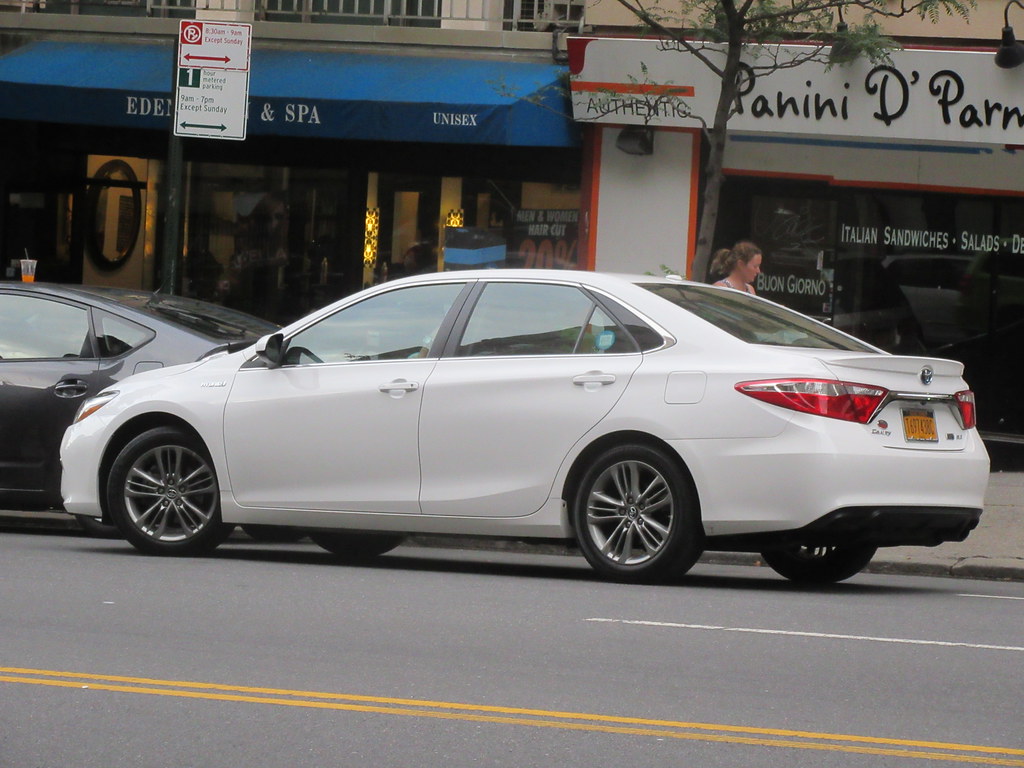
New York City Uber Car by JLaw45
As a ride-share driver, I face many challenges on the road from the unsafe driving conditions, battling the yellow taxi cabs on busy streets, and from passengers who are from countries where women are prohibited to drive. In the last two years, we have seen an uptake in female drivers in the transportation industry thanks to apps like Uber and Lyft. Female drivers are often asked if they feel safe driving, especially at night.

NYC Yellow Taxi Cabs and rideshare vehicles. Photo Credit: ShedBOy
As a ride-share driver, I face many challenges on the road from the unsafe driving conditions, battling the yellow taxi cabs on busy streets, and from passengers who are from countries where women are prohibited to drive. In the last two years, we have seen an uptake in female drivers in the transportation industry thanks to apps like Uber and Lyft. Female drivers are often asked if they feel safe driving, especially at night. Decades of research about gender representation in media have concluded that male characters are often responsible for the majority of aggressive acts, and overrepresented in depictions of risky behaviors such as substance use and reckless driving.
The implication is that women are placed in greater danger in the evening and should consider working in the daytime. On the other hand, the passengers might be making a kind and caring gesture for the driver’s safety. Regardless, it can come across as harmful, offensive and demeaning. Without an educational voice, this level of stereotypical imbalance is likely to stay the same or worsen. More advocacy geared toward women’s equality and inclusion needs to be more prevalent in the ride-share workplace, advertisements, and media. Women can benefit from more data about driver safety. Having this information could be helpful and encouraging along their decision-making process whether to be a ride-share driver or not.

 PM Says
Leave a comment