Photo Credit: IFLA 2014 Pre-Conference, ITU, August 13-14, 2014,Digital Transformation and the Changing Role of News Media in the 21st Century, Geneva, Switzerland. © ITU/C. Montesano Casillas
Highly centralized sites are taking over thanks to rich men with heavy influence. The simpler days of posting whatever we want without a controlled narrative – are over. The benefit of these highly centralized sites is that they provide a platform for us to share information and inform an audience. With all of this being said, where does the future of digital media stand?
Apparently, Twitter- now “X” – lost its panache once Elon Musk took over and bought the company. It is monetized while giving users the ability to pay for a blue check and forces users to pay for verification. It almost seems as if Twitter was purchased primarily to charge users as a return on Musk’s investment. Let’s think about it! If we acquire a company for a said amount, then we can negotiate in other ways with advertisers. By the way, I have yet to see much advertising and paid marketing since the new acquisition. Most of the buzz around Twitter has been focused on Elon Musk heading down a destructive path.
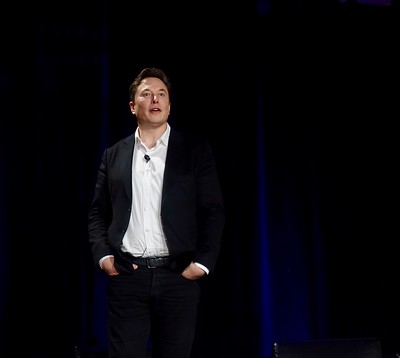
Photo Credit: Elon Musk 2019, Steven Jurvetson
The platform is now allowing users to pay for status and rank, whereas in the past it was earned. When the social media platform started, users earned their stripes and built a fanbase. They are now faced with either paying a fee to keep their social status or being placed into a non-factored category. This would irk anyone’s soul especially those with a large following! The danger that lies here is the potential for “fake” accounts and internet trolls. If all that is needed is a credit card and a monthly fee, then anyone can pose as an influencer, notable, or public figure. This is a breeding ground for potential misinformation and a field day with fake news from sources that aren’t necessarily credible. Paying for access and clout will be the new wave if this continues.
Wired said it best by calling these public spaces “venture-backed platforms make poor quasi-public spaces”. Creating virtual parks with a similar model an actual park where we play, interact, and socialize, could lead to something special. A less hostile, judgmental, and antagonizing environment controlled and monitored by users is what we may need moving forward.
At some point, the government will have to intervene as they have been trying to do with TikTok. This year, a hearing was held surrounding the dangers TikTok has on our younger users however, it was revealed that Congress is the problem. If government poses strict regulations on these sites, they would not be allowed to abuse social power and charge individuals to use the platform mainly for profit. Algorithms can easily be manipulated to “influence operations” and damage the minds of young precious souls. Since parents and educators don’t have a considerable amount of time to monitor their children’s internet usage, this serves as an entryway to manipulate their minds.
So, who owns what we say? We have First Amendment rights to freedom of speech however there are limitations. When it comes to sharing information, promoting a business, or expressing our opinions we are in control. We can charge for our services and dare someone to question our fees. In the case of Twitter aka “X”, the integrity of the brand diminished when they decided to charge for verification badges. Users will ultimately explore other social media sites such as Mastodon which is in its beginning stages. By supporting emerging social media platforms, sites like Reddit, TikTok, and Facebook will have no choice but to shape up or ship out!

 PM Says
Leave a comment