The expression “cancel culture” came in circulation in the late 2010s and early 2020s. As social media grew in popularity, so did the platform for public expression. Although many believe cancel culture has no effect on social change, it has proven otherwise. The online community defines this term as “a movement to remove celebrity status or esteem from a person, place, or thing based on offensive behavior or transgression.”
— Woman, 30s, Liberal Democrat
Since we exercise our First Amendment right to freedom of speech, there is a fine line between being offensive and expressing ourselves. Cancel Culture is the modern-day version of boycotting. Our language and choice of words have value in the public eye. Whether we are notables in society or not, we can’t say as we please and not expect consequences. In a time where cultural and gender inclusion matters the most, so do sensitivities and insecurities. When speaking on an oppressed group of people, one must tread lightly. Any slight comment can be translated negatively or manipulated to that groups advantage.
When Kanye West decided to promote “White Lives Matter” on a tee shirt, he was immediately cancelled. His social media rants combined with behavior towards his ex-wife, Kim Kardashian was enough for the “culture” to cancel him. He stirred up so much controversy to the point of where he ruined his reputation, damaged brand relationships, and halted his music career. Several celebrities including Jamie Lee Curtis, stated “I woke up and burst into tears. Defcon 3 on Jewish people? What are you doing?” To this day, he remains cancelled but managed to get re-married and is sorting business out with Adidas who manufactures his famed “Yeezy” brand.
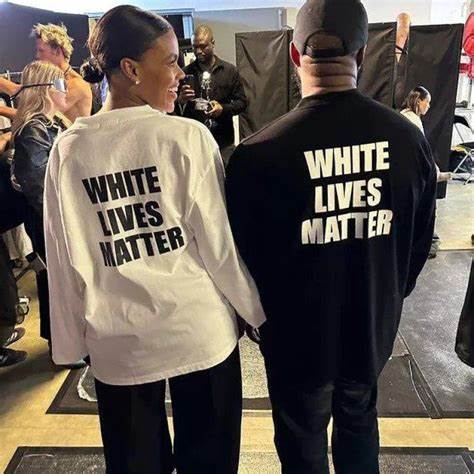
Photo Credit: Getty Images
Moving right along to former professional kickboxer, Andrew Tate – who was cancelled for his derogatory comments towards women by stating “I’m not saying they’re property,” he said. “I am saying they are given to the man and belong to the man.”
Kevin Spacey was cancelled and accused of being a sexual predator. As a result, he was fired from “House of Cards” on Netflix, was cut from his talent agents at Creative Artists Agency, and faces a slew of lawsuits from sexual assault victims.
To sum it all up, watch your mouth, be respectful, and use your influence to make a positive impact in society. Once you are cancelled, you will end up investing more time rebuilding your reputation that could have been spent on your long-term success. Being publicly ostracized could lead an individual into a downward spiral of depression, drug abuse, and self-destruction. PM Says, being unproblematic and civil is best (as my MCO 426 professor would say)!

 PM Says